

Iris
- Irises are among the first plants to bloom by the pond in spring.
- Irises love sunlight – at least 6 hours per day. Choose a sheltered location, as strong wind can break the flower stems.
- Several species are suitable for pond edges: the yellow flag iris (Iris pseudacorus) can grow directly in water up to 30 cm deep, while the Siberian iris (Iris sibirica) and Japanese iris (Iris ensata, Iris laevigata, Iris sanguinea) prefer moist shoreline conditions.
- Bearded irises (Iris germanica) are not suitable for water or pond edges – they should be planted 50–100 cm away from the pond in a sunny, well-drained location.
- The yellow flag iris is invasive – under favorable conditions it spreads aggressively. Plant it in a container to control its growth.
- When planting, keep the rhizome partially exposed – if it is fully covered with soil, the plant will not flower well. This is one of the most common mistakes when planting irises.
- Divide plants every 3–4 years – if the center of the clump becomes empty and flowering decreases, it is time to replant.
- Pests: soil insects and aphids may damage young plants, especially after transplanting.
Showing all 27 results
-
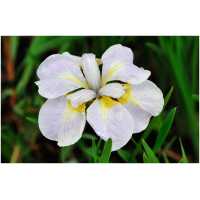
Iris Ama No Hane (Siberian iris)
8.50 €Out of Stock
Add to cart -
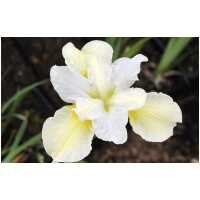
Iris Butter and Sugar (Siberian iris)
8.50 € Add to cart -
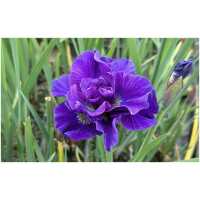
Iris Concord Crush (Siberian iris)
8.50 €Out of Stock
Add to cart -
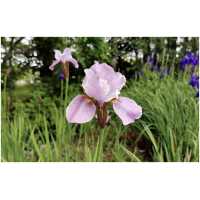
Iris Concord Crush (Siberian iris) (kopeeri)
8.50 € Add to cart -
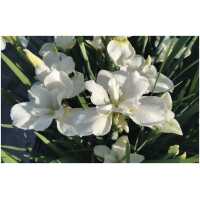
Iris Concord Crush (Siberian iris) (kopeeri)
8.50 €Out of Stock
Add to cart -
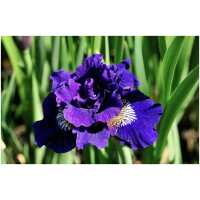
Iris Concord Crush (Siberian iris) (kopeeri) (kopeeri)
8.50 €Out of Stock
Add to cart -
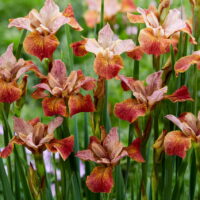
Iris Concord Crush (Siberian iris) (kopeeri) (kopeeri)
8.50 €Out of Stock
Add to cart -
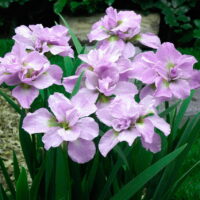
Iris Concord Crush (Siberian iris) (kopeeri) (kopeeri) (kopeeri)
8.50 € Add to cart -
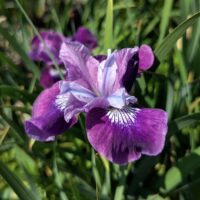
Iris Concord Crush (Siberian iris) (kopeeri) (kopeeri) (kopeeri) (kopeeri)
8.50 €Out of Stock
Add to cart -
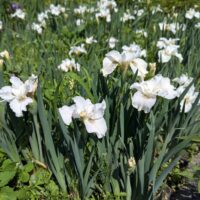
Iris Concord Crush (Siberian iris) (kopeeri) (kopeeri) (kopeeri) (kopeeri) (kopeeri)
8.50 € Add to cart -
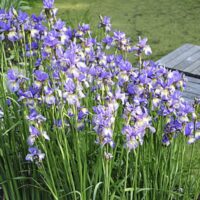
Iris Concord Crush (Siberian iris) (kopeeri) (kopeeri) (kopeeri) (kopeeri) (kopeeri) (kopeeri)
7.50 € Add to cart -
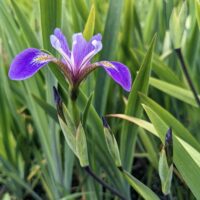
Iris Concord Crush (Siberian iris) (kopeeri) (kopeeri) (kopeeri) (kopeeri) (kopeeri) (kopeeri) (kopeeri)
7.50 € Add to cart -
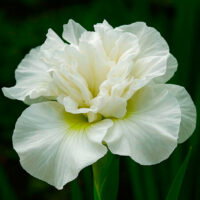
Iris Concord Crush (Siberian iris) (kopeeri) (kopeeri) (kopeeri) (kopeeri) (kopeeri) (kopeeri) (kopeeri)
8.50 € Add to cart -
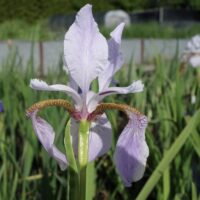
Iris Concord Crush (Siberian iris) (kopeeri) (kopeeri) (kopeeri) (kopeeri) (kopeeri) (kopeeri) (kopeeri) (kopeeri)
8.50 €Out of Stock
Add to cart -
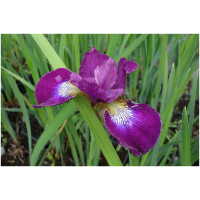
Iris Grosser Wein (Siberian iris)
8.50 €Out of Stock
Add to cart -
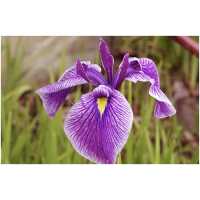
Iris Hubbard (Siberian iris)
8.50 €Out of Stock
Add to cart -
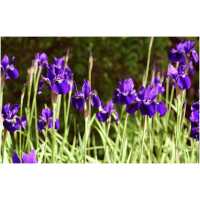
Iris Kundel (Siberian iris)
8.50 €Out of Stock
Add to cart -
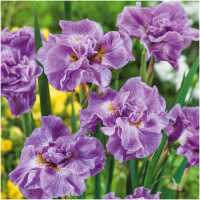
Iris Pink Parfait (Siberian iris)
8.50 €Out of Stock
Add to cart -
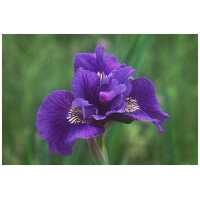
Iris Ruffled Velvet (Siberian iris)
8.50 € Add to cart -
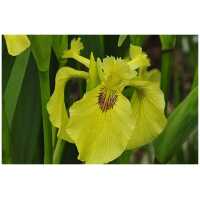
Iris Seakrill
8.50 €Out of Stock
Add to cart -
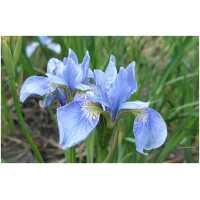
Iris Soft Blue (Siberian iris)
8.50 € Add to cart -
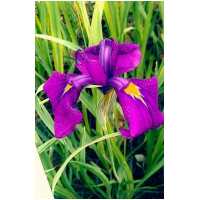
Iris Variegata (Japanese iris)
8.50 €Out of Stock
Add to cart -
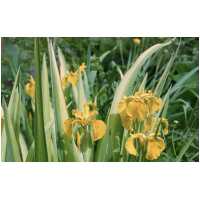
Iris Variegata (Japanese iris) (kopeeri)
8.50 €Out of Stock
Add to cart -
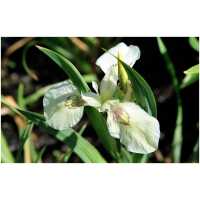
Iris Variegata (Japanese iris) (kopeeri) (kopeeri)
8.50 € Add to cart -
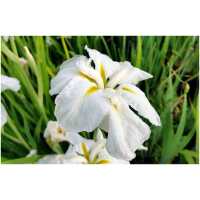
Iris White Ladies (Japanese iris)
8.50 €Out of Stock
Add to cart -
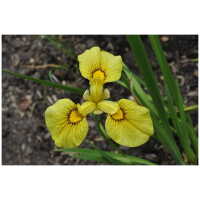
Siberian iris x pseudata Chance Beauty
8.50 € Add to cart -
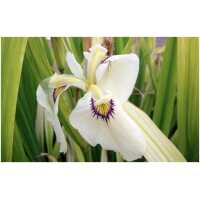
Siberian iris x pseudata Chance Beauty (kopeeri)
9.50 €Out of Stock
Add to cart